Author name: Team Solarkaz

Eco-Friendly Efficiency Unveiling the Power of CarbonDioxide Recovery Plants

In today’s era of environmental consciousness and industrial advancement, the spotlight shines brightly on sustainable solutions. Among these innovations stands the Carbon Dioxide (CO2) recovery plant, a groundbreaking technology offered by industry leader Solarkaz International (Pvt.) Ltd. In this blog, we explore the intricate workings and multifaceted benefits of CO2 recovery plants, detailing their applications and impact on industrial sustainability. Introduction CO2 recovery plants signify a leap forward in industrial sustainability, providing an eco-conscious alternative to traditional practices. With the working expertise, Solarkaz International introduces the pioneering SOKAZ CO2 recovery technology, engineered to optimize energy usage and operational efficiency while minimizing environmental footprint. Key Functions and Working of CO2 Recovery Plants CO2 recovery plants play a pivotal role in modern industrial processes, offering a sustainable solution for capturing and utilizing carbon dioxide emissions. Through a meticulous process involving scrubbers, absorbers, heat exchangers, and gas vessels, CO2 is separated from other gases, ensuring purity and efficiency. These plants find applications across various industries seeking to minimize environmental impact and enhance operational efficiency. Reliable CO2 Source Industries ranging from beverage carbonation to enhanced oil recovery benefit from the dependable and cost-effective CO2 supplied by recovery plants. Energy Efficiency Industrial facilities seeking to minimize energy usage and reduce operational costs leverage the energy-efficient design of CO2 recovery plants. Optimized Solvent Consumption Sectors such as food processing and wastewater treatment benefit from reduced solvent consumption offered by CO2 recovery plants. Oxygen Resistance Industrial settings with fluctuating oxygen levels in flue gas emissions rely on the resilience of CO2 recovery plants for consistent performance. Varied Capacities From small-scale operations to large industrial facilities, CO2 recovery plants cater to varying production demands with customizable capacity options. Maximum CO2 Extraction Industries aiming for high CO2 recovery rates, such as greenhouse gas mitigation projects and carbon capture initiatives, rely on the superior extraction capabilities of recovery plants. Maximum CO2 Extraction Operational Process of CO2 Recovery Plant Stack gases containing CO2 enter the scrubbers. CO2 is absorbed from the stack gases by a MEA (Monoethanolamine) solution in the absorber. The CO2 -rich MEA solution is pumped to the desorber. In the desorber, the MEA solution is heated, causing the CO2 to be released from the solution. The purified CO2 is then cooled and transferred to storage tanks. The regenerated MEA solution returns to the absorber to capture more CO2, initiating a continuous cycle. This process employs water as a coolant and a specially formulated MEA solution as the absorbent. Solarkaz’s system is designed to be energy efficient and utilizes stainless steel process towers and pumps for a long lifespan. Where it’s used CO2 recovery plants are utilized across a spectrum of industries including beverage production, oil and gas exploration, food processing, wastewater treatment, greenhouse gas mitigation projects, and carbon capture initiatives. Benefits for Customers Environmental Conservation CO2 recovery plants play a crucial role in reducing greenhouse gas emissions, aligning with sustainability objectives and regulatory standards. This solution offers versatility, applicable also to waste heat recovery chambers. By capturing CO2 emissions in these systems, industries can simultaneously reduce environmental impact while optimizing energy efficiency through the reuse of waste heat. Cost Savings By providing a reliable and efficient CO2 source, these plants deliver significant cost savings over conventional methods, contributing to long-term financial viability. Operational Efficiency Solarkaz’s CO2 recovery technology enhances industrial processes, improving productivity and operational performance while reducing environmental impact. Long-Term Reliability Utilizing durable materials and advanced engineering, CO2 recovery plants ensure longevity and consistent performance, guaranteeing years of service and reliability. Solarkaz International’s Smart Solution We introduces a smart economic solution with CO2 recovery plants. Let’s delve into the details To produce just 1 kg of CO2, you’d typically require approximately 2 kg of steam at 4 bar and 140°C, alongside a mere 0.25 kWh of electrical power. Picture this with a genset capable of producing 800 kg/h of steam, you can effortlessly yield around 250 kg/h of CO2. So, what’s on our Wishlist? It’s straightforward – we need essential details like exhaust flow rate, exhaust temperature, and either stack gases composition or fuel composition from your end. What’s in it for you? Our cutting-edge CO2 recovery plants, ranging from 300 kg/hr to 1000 kg/hr capacity, complete with a convenient filling station. And here’s the clincher It’s all backed by our rock-solid guarantee, thoroughly verified, and meticulously quality-assured with certifications. At Solarkaz International, we pride ourselves on delivering top-notch solutions, ensuring sustainability across industries worldwide. Conclusion In conclusion, CO2 recovery plants stand out as essential pillars of sustainable industrial practices, paving the way for environmentally conscious and efficient operations. Solarkaz International’s unwavering dedication to innovation and environmental responsibility underscores the critical role of these technologies in sculpting a sustainable future for global industries. Embracing CO2 recovery plants not only amplifies operational efficiency but also cultivates a cleaner and more sustainable industrial ecosystem for generations to come. At Solarkaz International, we take immense pride in the recognition and appreciation our services and products receive from our valued customers. Together, let us continue to pave the way towards a brighter, more sustainable tomorrow, where every action is a step towards a cleaner and greener future. Contact us for understanding more about our offerings and solutions.

Eco-Friendly Efficiency Unveiling the Power of CarbonDioxide Recovery Plants Read More »
Exploring the Diverse World of Heat Exchangers: A Comprehensive Guide

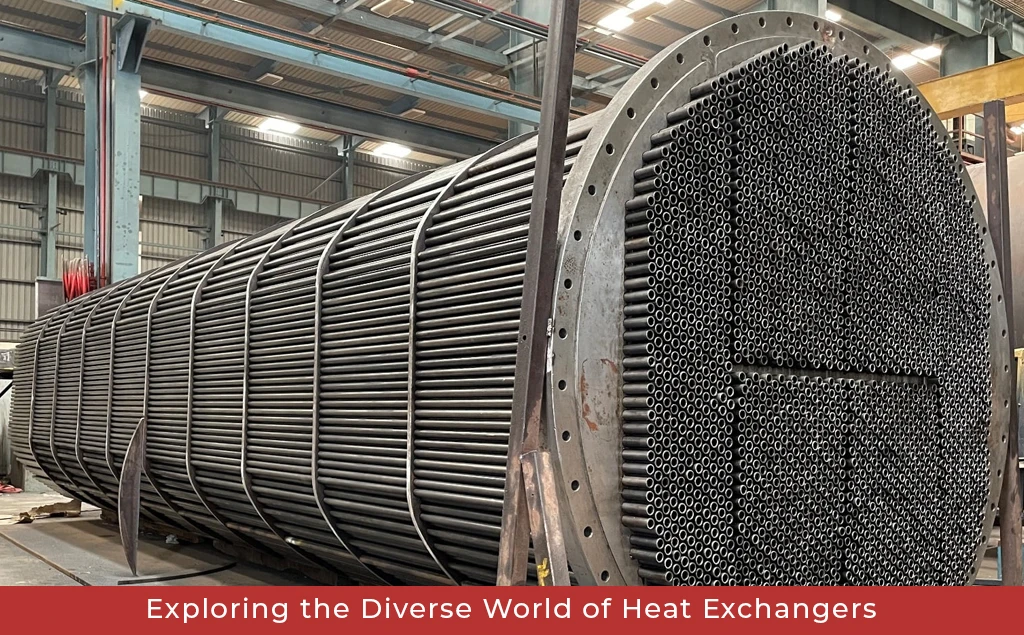
INTRODUCTION In the world of managing heat and improving energy efficiency, heat exchangers are essential tools. They are crucial for various applications, from industrial operations to residential heating and cooling systems. These devices enable the transfer of heat between fluids, ensuring that processes run smoothly while conserving energy. In this blog, we’ll take an in-depth look at different types of heat exchangers, examining how they work and where they are used. Different Types of Heat Exchangers: Some of the types of the Heat Exchangers are as follows: 1) Plate Heat Exchangers: Maximizing Efficiency Through Compact Design Thin Plate Configuration: Plate heat exchangers consist of multiple thin plates aligned parallel to each other Fluid Channels: These plates form channels through which fluids flow, allowing for efficient heat transfer between them. Compact Design: heat exchangers are known for their compact design, which minimizes space requirements and allows for installation in tight spaces. 2) Shell and Tube Heat Exchangers: Versatile and Reliable Solutions Tube-and-Shell Configuration: Shell and tube heat exchangers are versatile, capable of handling a wide range of operating conditions and fluid types. Fluid Circulation: One fluid flows through the tubes, while the second fluid circulates around the exterior of the tubes within the shell. Versatility: Shell and tube heat exchangers are versatile, capable of handling a wide range of operating conditions and fluid types. Durability: They are known for their robust construction, making them durable and suitable for demanding industrial environments . High Thermal Performance: This design promotes efficient heat transfer between the two fluid streams, ensuring high thermal performance. Industry Applications: Shell and tube heat exchangers find extensive use in industries such as petrochemical, where they are employed for heat transfer in processes like oil refining, and chemical production also used in textile sectors. 3) Finned Tube Heat Exchangers: Enhancing Surface Area for Improved Efficiency Tube with Fins: Finned tube heat exchangers consist of tubes with extended surfaces, or fins, attached to their outer surfaces. Increased Surface Area: The addition of fins significantly increases the surface area available for heat transfer compared to plain tubes. Enhanced Efficiency: The larger surface area facilitates more efficient heat transfer between the fluids, resulting in improved overall efficiency of the heat exchanger. Common Applications: Finned tube heat exchangers are widely used in various industries and applications, including air conditioning, heating systems such as boilers and furnaces and Aerospace. 4) Spiral Heat Exchangers: Optimal Heat Transfer in a Compact Package Spiral Configuration: Spiral heat exchangers are characterized by their unique design, consisting of flat plates coiled around a central core, forming a spiral shape. Turbulent Flow Promotion: The spiral configuration promotes turbulent flow within the heat exchanger, enhancing heat transfer efficiency compared to laminar flow. Suitability for High-Viscosity Fluids: Due to their enhanced turbulence, spiral heat exchangers are particularly well-suited for handling high-viscosity fluids that would typically experience challenges in conventional heat exchangers. Wastewater Treatment Applications: Wastewater Treatment Applications: Spiral heat exchangers find extensive use in wastewater treatment processes, where they effectively transfer heat between wastewater streams and facilitate the treatment of industrial effluents. Wide Industrial Applications: Spiral heat exchangers are employed across various industries, including chemical processing, pulp and paper, and food and beverage, where they play a crucial role in thermal management and process optimization. Solarkaz International: Your Partner in Heat Exchange Solutions At Solarkaz International, we specialize in providing cutting-edge heat exchange solutions tailored to meet your specific requirements. With years of experience and expertise, we offer a comprehensive range of heat exchangers designed to optimize thermal performance, minimize energy consumption, and enhance operational efficiency. Whether you’re seeking plate heat exchangers for industrial applications, our team is committed to delivering innovative solutions that exceed your expectations. Our track record speaks for itself, as evidenced by the utmost satisfaction of our esteemed clientele with our exceptional performance and superior product offerings . Conclusion: In the ever-evolving field of thermal engineering, heat exchangers stand out as essential components for optimizing heat transfer and promoting energy efficiency. Through a comprehensive exploration of the diverse range of heat exchanger types and their wide-ranging applications, we gain valuable insight into their pivotal role across numerous industries. With Solarkaz International by your side as a reliable partner, you can leverage cutting-edge heat exchange solutions to propel sustainable growth and realize your operational objectives with confidence.

Exploring the Diverse World of Heat Exchangers: A Comprehensive Guide Read More »

Ensuring Safety and Efficiency: A Comprehensive Guide to LPG Storage Tank Rehabilitation

INTRODUCTION Liquefied Petroleum Gas (LPG) plays a crucial role in meeting energy demands across various industries. To ensure the continuous and safe operation of LPG storage tanks, rehabilitation work becomes essential. This Solarkaz blog provides a detailed overview of the key aspects involved in the rehabilitation process, with a specialized focus on pressure vessels, our overview extends beyond conventional methods, intertwining the intricacies of maintaining, repairing, or enhancing LPG storage tanks. INSPECTION AND ASSESSMENT The first step in LPG storage tank rehabilitation is a comprehensive inspection. Which includes: Trained professionals conduct a thorough assessment to evaluate the tank’s current condition. Identifying signs of corrosion, leakage, structural damage, or any issues that could compromise safety and integrity. A meticulous inspection sets the foundation for targeted rehabilitation efforts. SAFETY MEASURES Implementing stringent safety measures is paramount during the rehabilitation process. Securing the work area for personnel safety. Ensuring that all personnel involved are adequately trained in handling LPG. Adherence to strict safety protocols is non-negotiable, considering the potentially hazardous nature of the material being handled. EMPTYING AND PURGING Before rehabilitation work begins, LPG storage tanks must be: Safely emptied of any remaining gas. A purging process is initiated to remove residual gas, making the tanks safe for maintenance activities. Mitigating potential risks associated with gas handling. CLEANING AND SURFACE PREPARATION Effective cleaning of both the interior and exterior surfaces is essential to remove dirt, rust, and contaminants. Surface preparation, involving the removal of old coatings if necessary. Clean and prepared surfaces facilitate thorough inspections and enhance the efficacy of subsequent repair and protection measures. CORROSION PROTECTION To prevent further degradation of the tank’s structure, corrosion protection measures are applied. This may include: The application of corrosion-resistant coatings or the installation of sacrificial anodes. The goal is to extend the lifespan of the tank and ensure its continued safe operation. CORROSION PROTECTION Addressing structural issues is a critical component of the rehabilitation process. This involves: Welding repairs for cracks or the replacement of damaged components. The focus is always given on restoring the tank’s structural integrity to meet stringent safety standards. LEAK DETECTION AND REPAIR Addressing leaks is essential for preventing environmental hazards and ensuring the safe containment of LPG. Thorough leak detection tests are conducted to identify and repair any points of leakage. Seals, valves, and connections are scrutinized to ensure they are in good condition. INSTRUMENTATION AND SAFETY SYSTEMS The rehabilitation process includes: Checking and calibrating instrumentation and safety systems. Outdated safety features are updated or replaced to meet current industry standards. This step is crucial in maintaining the overall safety and efficiency of the storage facility. INSTRUMENTATION AND SAFETY SYSTEMS The rehabilitation process includes: Checking and calibrating instrumentation and safety systems. Outdated safety features are updated or replaced to meet current industry standards. This step is crucial in maintaining the overall safety and efficiency of the storage facility. INSTRUMENTATION AND SAFETY SYSTEMS Stringent testing procedures includes Pressure/Vacuum tests, which are conducted to ensure the tanks meet safety and operational standards. Obtaining necessary certifications and approvals from regulatory authorities is imperative to validate the rehabilitation efforts and compliance with industry regulations DOCUMENTATION Detailed documentation of all rehabilitation activities, inspections, and tests is maintained. This documentation serves as a record for regulatory compliance and provides valuable insights for future reference. A comprehensive record enhances transparency and accountability in the rehabilitation process. CONCLUSION In the realm of LPG storage tank rehabilitation, prioritizing safety, precision, and adherence to industry standards is essential for sustainable energy infrastructure. This comprehensive guide underscores the critical role of qualified professionals in ensuring the continued efficiency and safety of LPG storage facilities. As a standout player in this arena, Solarkaz International emerges as a dedicated partner committed to excellence. Beyond being a service provider, Solarkaz International embodies a commitment to surpassing industry standards. Clients with Solarkaz International attest to the unwavering commitment to safety, expertise, and excellence, ensuring a resilient and efficient energy infrastructure. Choosing Solarkaz International means aligning with a partner deeply invested in providing the services with longevity and reliability of energy infrastructure. Join us in shaping a future where energy security thrives under the meticulous care and expertise offered by Solarkaz International, setting a new standard for the industry. For inquiries and opportunities, reach out to Solarkaz International — your trusted partner for innovative and secure energy solutions.

Ensuring Safety and Efficiency: A Comprehensive Guide to LPG Storage Tank Rehabilitation Read More »

BIOMASS: THE SUSTAINABLE FUEL FOR BOILERS

INTRODUCTION In the current scenario of volatile and consistently rising prices of conventional fuels within our nation, individuals are increasingly opting for sustainable fuels for boilers. This is primarily due to our collective aspiration for a more environmentally responsible future. Discovering alternative energy sources that not only diminish carbon emissions but also reduce dependence on fossil fuels has taken precedence. Among these alternatives, biomass, sourced from organic materials, has garnered significant attention as a viable solution “This blog delves into the role of biomass as a sustainable boiler fuel, presenting a comprehensive view of its advantageous impact on both economics and the environment.” WHAT IS BIOMASS? ⦁ Biomass refers to any organic material derived from plants, animals, or their byproducts. ⦁ It can include wood pellets, agricultural residues, dedicated energy crops, and organic waste materials. ⦁ Unlike fossil fuels, biomass is considered carbon-neutral since the carbon dioxide (CO2) released during its combustion is roughly equal to the amount absorbed by the plants during their growth. This makes biomass a sustainable and renewable energy source. BENEFITS OF BIOMASS AS BOILER FUEL Renewable and Sustainable: Biomass is derived from organic matter that can be replenished through natural processes. It offers a sustainable energy solution that reduces our dependence on finite fossil fuels and helps combat climate change. Carbon Neutrality: The combustion of biomass releases CO2, but this is part of a natural carbon cycle. As long as new biomass is grown to replace the harvested material, the CO2 emissions are effectively neutralized, unlike the release of fossil carbon from burning fossil fuels. Reduced Greenhouse Gas Emissions: Biomass fuels emit lower levels of greenhouse gases compared to fossil fuels, such as coal or oil. By using biomass in boilers, we can significantly reduce CO2, sulfur dioxide (SO2), and nitrogen oxide (NOx) emissions, thereby mitigating climate change and improving air quality. Utilization of Organic Waste: Biomass offers a sustainable solution for managing organic waste materials that would otherwise end up in landfills, contributing to environmental pollution. By converting these waste materials into energy through combustion or other conversion processes, we can reduce waste generation and promote circular economy principles. Local Economic Development: Biomass fuels are often produced and sourced locally, promoting regional economic development. Biomass production and processing can create jobs in rural areas, support local farming communities, and reduce dependence on imported energy resources. Fuel Diversity and Energy Security: Biomass provides an alternative energy source, diversifying the fuel mix and reducing reliance on imported fossil fuels. This enhances energy security and helps stabilize energy prices in the long term. CHALLENGES AND CONSIDERATIONS While biomass offers numerous advantages, there are some considerations to keep in mind: Fuel Diversity and Energy Security: Ensuring sustainable sourcing practices for biomass is crucial to prevent deforestation, protect biodiversity, and preserve ecosystem integrity. Strict adherence to certification standards. Efficiency and Emission Control: Optimal boiler design, operation, and maintenance are necessary to achieve high combustion efficiency and minimize emissions, including particulate matter (PM) and volatile organic compounds (VOCs). Advanced emission control technologies, such as electrostatic precipitators or bag filters, can further enhance air quality. Supply Chain Logistics: Biomass feedstock availability, transportation, and storage can pose logistical challenges. Proper planning and infrastructure development are required to ensure a consistent supply of biomass fuel. So, Basically… You need sustainable sourcing?  Emission Control system for Biomass boilers? To get rid of Supply Chain Logistic issues? Don’t worry to address these concerns, Solarkaz International has taken the lead in offering clients access to sustainable biomass sources, simplifying the process for them. Solarkaz provides comprehensive strategies and solutions to address these challenges of emission control and ensure sustainable logistics to its customers.” So contact us for developing more understanding of biomass boilers. CONCLUSION Biomass fuels offer a sustainable and renewable energy solution for boilers, reducing carbon emissions and promoting a greener future. By harnessing the energy potential of organic waste materials and agricultural residues, we can reduce our reliance on fossil fuels, mitigate climate change, and stimulate local economies. However, it is essential to prioritize sustainable sourcing, employ efficient combustion technologies, and address logistical challenges to maximize the benefits of biomass as a fuel for boilers. With continued research, innovation, and commitment, biomass can play a significant role in our transition to a more sustainable energy system.

BIOMASS: THE SUSTAINABLE FUEL FOR BOILERS Read More »

Preventing Caustic Gouging in Boiler Tubes Causes.

Prevention, and Maintenance Strategies Caustic gouging in boiler tubes refers to a form of localized corrosion that occurs in high-pressure boilers. Definition It is caused by the reaction between caustic soda (sodium hydroxide) and the protective oxide layer on the inner surface of the tubes. This reaction weakens the oxide layer, leading to its removal and subsequent damage to the tube material. Occurance Caustic gouging typically occurs in areas where the boiler water is concentrated and becomes highly alkaline. Factors of Occurance Caustic Gouging can arise due to factors such as inadequate water treatment, improper boiler operation, or boiler water leakage. Result The damage caused by caustic gouging can result in thinning and pitting of the tube walls, eventually leading to tube failure. Prevention To prevent caustic gouging, proper water treatment, maintaining appropriate pH levels, and regular inspections of the boiler tubes are essential. Causes of Caustic Gouging • Improper water treatment If water treatment processes are not adequate, impurities such as dissolved oxygen, carbon dioxide, and alkaline substances can accumulate in the boiler water.The presence of excessive caustic soda in the water can lead to caustic gouging. • Elevated alkalinity and concentration Boiler water with high alkalinity, typically caused by the presence of dissolved sodium hydroxide, is more prone to caustic typically caused by the presence of dissolved sodium hydroxide, is more prone to caustic. The alkalinity can increase due to inadequate water treatment or excessive addition of alkaline substances. Additionally, localized concentration of alkaline substances, especially near tube surfaces, can occur due to water evaporation or steam bubbles collapsing, creating localized conditions favorable for caustic gouging. • Improper boiler operation Incorrect boiler operation can contribute to caustic gouging. For example, if the boiler water level is not maintained properly, concentrated solutions of caustic soda can come into contact with the tube surfaces, increasing the likelihood of caustic gouging. Inadequate control of feedwater quality, excessive boiler blowdown, or excessive heat flux can also exacerbate the risk of caustic gouging. • Boiler water leakage Leakage of boiler water into areas where it is not intended to be can lead to localized concentration of caustic soda. This can occur through leaking tube joints, tube cracks, or faulty seals. The concentrated caustic solution resulting from the leakage can attack the oxide layer and initiate caustic gouging. Preventive Measures for Caustic Gouging Water Treatment a. Control alkalinity Maintaining appropriate alkalinity levels in the boiler water is crucial to prevent caustic gouging. Alkalinity should be controlled within recommended limits by adjusting the feedwater and blowdown rates. Proper chemical treatment programs can help in controlling alkalinity effectively. b. pH control Maintaining the pH of the boiler water within the recommended range is important. pH levels that are too high can contribute to caustic gouging. Acidic pH conditions should also be avoided as they can lead to other forms of corrosion. c. Remove impurities Proper filtration and purification processes should be implemented to remove impurities such as suspended solids, dissolved oxygen, and carbon dioxide from the boiler water. The impurities can contribute to caustic gouging if present in high concentrations. d. Adequate oxygen control  Implementing deaeration systems and oxygen scavengers can help reduce the concentration of dissolved oxygen in the boiler water. Lowering oxygen levels helps prevent the formation of corrosive conditions. Maintenance strategies for Avoiding Caustic Gouging Solarkaz specializes in delivering comprehensive maintenance services for boilers, ensuring optimal performance and safety. Our team of skilled professionals is dedicated to providing top-notch inspections and maintenance solutions to guarantee the efficient operation of your boilers. With extensive expertise in boiler maintenance, we understand the critical role that these systems play in various industries. Our services encompass a wide range of maintenance tasks, including thorough inspections, proactive repairs, and preventive maintenance programs tailored to meet your specific needs. Our highly trained technicians possess in-depth knowledge of boiler systems and are equipped with the latest tools and technologies to identify any potential issues. Through meticulous inspections, we assess the condition of your boilers, checking for any signs of wear, corrosion, or performance inefficiencies. This proactive approach allows us to address concerns promptly, preventing costly breakdowns and ensuring uninterrupted operations. a. Inspections Conduct inspections of the boiler tubes to identify any signs of corrosion or tube damage. Inspect for thinning or pitting of tube walls, discoloration, irregularities, or signs of localized concentration of caustic soda. Address any identified issues to prevent further damage.   b. Leak Detection Implement leak detection systems and procedures to identify and address boiler water leakage. Identify leaking tube joints, tube cracks, or faulty seals which can lead to localized concentration of caustic soda, which can initiate caustic gouging. Fix any leaks promptly to prevent concentrated caustic solutions from attacking the oxide layer.   c. Water Analysis Perform testing and analysis of boiler water chemistry. Monitor alkalinity, pH levels, dissolved solids, and other key parameters to detect any imbalances. Detection at right point allows for corrective actions to be taken promptly, preventing the formation of corrosive conditions that can lead to caustic gouging.   d. Water Treatment Implement proper water treatment processes to maintain the water chemistry within acceptable limits. Control alkalinity within recommended levels by adjusting feedwater and blowdown rates. Use chemical treatment programs to effectively control alkalinity. e. Impurity Removal Implement effective filtration and purification processes to remove impurities from the boiler water. Remove suspended solids, dissolved oxygen, and carbon dioxide, as these impurities can contribute to caustic gouging if present in high concentrations. Implement deaeration systems and oxygen scavengers to lower the concentration of dissolved oxygen, which helps prevent the formation of corrosive conditions. f. Water Level Control Properly control the water level within the boiler to avoid the formation of concentrated caustic solutions in certain areas. Maintaining the water levels which helps prevent localized caustic gouging. Operator Training and Awareness: Provide comprehensive training to boiler operators on proper boiler operation, including water treatment practices, monitoring techniques, and the potential risks of caustic gouging. Well-informed operators are more likely to identify and address

Preventing Caustic Gouging in Boiler Tubes Causes. Read More »

Boiler Maintenance Tips For Optimal Performance

INTRODUCTION Welcome to Solarkaz International’s comprehensive guide on boiler maintenance. As a leading provider of energy solutions, we understand the importance of regular maintenance to ensure the safe and efficient operation of your boiler. THE IMPORTANCE OF REGULAR BOILER MAINTENANCE A boiler is a critical component of any heating system, whether in residential or industrial settings. Proper maintenance not only ensures the safety of the occupants but also contributes to energy efficiency and cost savings. Neglecting boiler maintenance can lead to issues like decreased efficiency, increased energy consumption, and even potential safety hazards. WHEN TO CONDUCT INTERNAL INSPECTION To maintain the performance and safety of your boiler, it’s crucial to conduct internal inspections under specific conditions: Before Startup: If the boiler has been moved or installed, a thorough internal inspection is necessary before it is put into operation. After Prolonged Shutdown: If the boiler has been inactive for more than a year, an internal inspection should be carried out before resuming operations. After Major Repairs or Modifications: Any time significant repairs or modifications are made to the pressure components, an inspection should follow after one year of operation. Doubts about Safety: If there are doubts about the equipment’s safety and reliability based on the results of the last internal inspection or boiler operation, an inspection is imperative. KEY INSPECTION POINTS During the internal inspection, the following key points should be carefully examined: a. After Major Repairs or Modifications: Check for any cracks or corrosion on both the inner and outer surfaces of the boiler pressure components. b. Pipe Condition: Inspect the pipe walls for signs of wear or corrosion that may compromise the boiler’s integrity. c. Pressure Component Deformation: Look for any signs of sunken, bent, bulged, or overheated pressure components, as these can indicate structural issues. d. Scale and Water Residue: Ensure that there is no significant scale buildup or water residue on the water side of the pressure elements, as this can lead to decreased efficiency. e. Interface and Connection Inspection: Examine the interfaces between the water inlet pipe, sewage pipe, and drum for corrosion or cracks. Additionally, verify the reliability of connections between the sewage valve and pipe. f. Safety Accessories: Check the sensitivity and reliability of safety accessories like water level gauges, safety valves, and pressure gauges. Ensure that channels connected to the boiler are not blocked. g. Automatic Control and Instrumentation: Verify the sensitivity and reliability of the automatic control, signal system, and instruments. BOILER MAINTENANCE BEST PRACTICES In addition to periodic internal inspections, there are several maintenance best practices that can help keep your boiler in top-notch condition: a. Regular Cleaning: In addition to periodic internal inspections, there are several maintenance best practices that can help keep your boiler in top-notch condition: b. Water Quality Management: Maintain proper water quality by monitoring water treatment chemicals and pH levels. Proper water treatment minimizes scale buildup and corrosion. c. Ventilation and Clearances: Ensure proper ventilation and adequate clearances around the boiler to facilitate airflow and prevent overheating. d. Adequate Lubrication: Lubricate all moving parts as recommended by the manufacturer to reduce friction and wear. e. Timely Repairs: Address any minor issues promptly to prevent them from escalating into major problems that can disrupt boiler performance. f. Operator Training: Train boiler operators on proper usage, safety protocols, and maintenance procedures to optimize boiler performance. CONCLUSION Regular maintenance is the key to maximizing the efficiency, safety, and longevity of your boiler system. By following the recommended inspection guidelines and implementing best practices, you can ensure the smooth operation of your boiler while minimizing energy consumption and reducing the risk of costly repairs or accidents. At Solarkaz International, we prioritize the well-being of our clients and strive to provide the most reliable and efficient energy solutions. If you have any further questions or require assistance with boiler maintenance or any other product or boiler-related concerns, please don’t hesitate to contact our team of experts. Together, we can optimize your boiler’s performance and contribute to a greener and more sustainable future.

Boiler Maintenance Tips For Optimal Performance Read More »

Boiler Failure Due To Hydrogen Damage

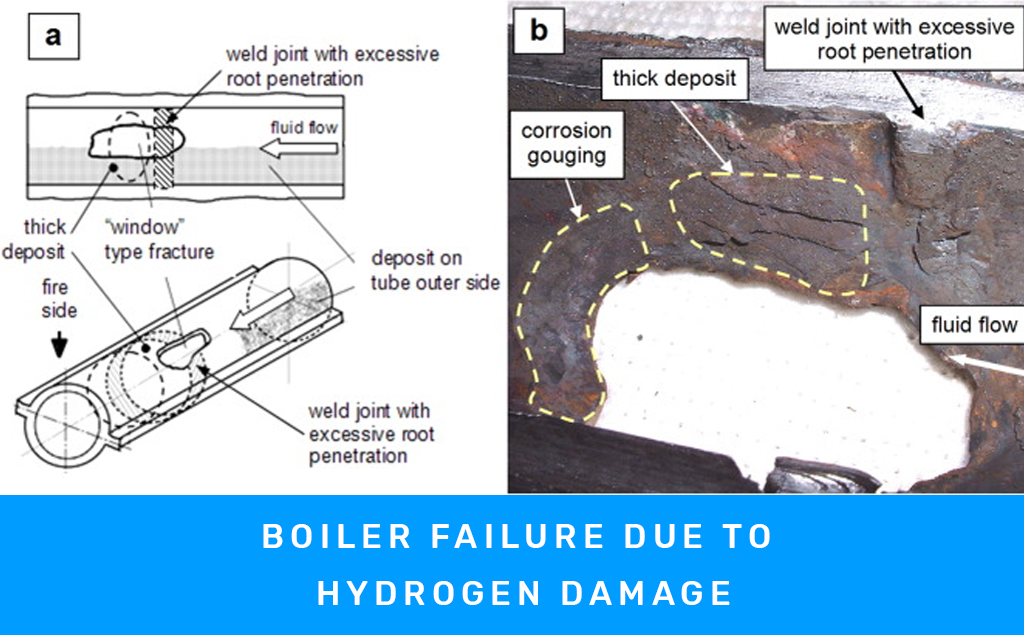
Poor design or inadequate materials selection can lead to long-term overheating in boiler tubes. This can occur due to factors such as inadequate consideration of temperature and pressure conditions, or improper material selection.Boilers are vital components of various industries, providing heat and power generation. However, they are susceptible to failures and corrosion risks that can compromise their efficiency, safety, and longevity. It is crucial to have a comprehensive understanding of these issues to prevent costly breakdowns, downtime, and potential hazards. Boiler failures can occur due to multiple factors, including hydrogen damage, caustic gouging, oxygen attack, thermal fatigue, and flow-assisted corrosion. Each of these mechanisms poses unique challenges and requires specific preventive measures. HYDROGEN DAMAGE: Hydrogen damage in boilers refers to a type of corrosion caused by the presence of hydrogen gas. ✔️ Process When hydrogen gas enters the boiler system, it can react with the metal surfaces, leading to degradation and weakening of the materials over time. ✔️ Result This can result in cracks, embrittlement, and ultimately, failure of the boiler tubes. ✔️ Generation Mechanism Hydrogen damage is a significant concern in high-temperature environments, particularly in boilers where hydrogen can be generated through various mechanisms, such as steam decomposition or chemical reactions involving fuels or water. Damages: a) Thick-lipped Thick-lipped damage refers to the formation of raised lips or edges along the fracture surface of boiler tubes caused by hydrogen damage. This type of damage typically occurs due to hydrogen-induced cracking, where hydrogen gas diffuses into the metal and promotes the formation of cracks. Over time, the cracks grow and eventually result in thick-lipped fractures, which can be visually observed as raised edges or lips along the fracture surface. b) Brittle Appearance When hydrogen penetrates the metal structure, it can cause embrittlement, making the material more prone to fracture. This embrittlement can result in a distinct brittle appearance of the affected areas. Instead of displaying ductile or flexible characteristics, the material appears more rigid and prone to sudden failure. c) Window Section Blown Out This refers to the occurrence of localized ruptures or blowouts in the affected boiler tube sections. As hydrogen-induced cracks propagate and worsen, they can eventually reach a critical point where the pressure inside the tube causes a rupture, leading to the expulsion or blowing out of a section, creating a visible window-like opening. PREVENTIVE MEASURE: Preventive measures against hydrogen damage in boiler tubes involve implementing various practices to minimize the risk of hydrogen ingress and mitigate its detrimental effects. Here are some key preventive measures. ✔️ Deaeration Effective deaeration systems should be in place to remove dissolved gases, including oxygen and hydrogen, from the feedwater. Deaeration helps minimize the amount of hydrogen that can potentially enter the boiler system. ✔️ Material Selection Choose appropriate materials for boiler tubes that are resistant to hydrogen damage. Select materials that have a high tolerance for hydrogen exposure and possess suitable mechanical properties to withstand the operational conditions. ✔️ Hydrogen Monitoring Regularly monitor the concentration of hydrogen gas within the boiler system using appropriate monitoring techniques. Early detection of increased hydrogen levels can prompt proactive measures and prevent extensive damage. ✔️ Maintenance and Inspections spections Conduct regular inspections and maintenance activities to identify potential sources of hydrogen generation and address any existing damage promptly. This includes inspecting for leaks, addressing water chemistry issues, and assessing the integrity of boiler tubes. ✔️ Operational Control Optimize boiler operating parameters, such as temperature and pressure, to minimize the potential for hydrogen damage. Proper control and monitoring of operational conditions can help mitigate the risk of hydrogen-related issues. ✔️ Training and Education Ensure that operators and maintenance personnel are well-trained and knowledgeable about hydrogen damage prevention. Provide education on best practices, safety protocols, and the significance of proactive measures. CONCLUSION: In conclusion, understanding boiler failures and corrosion risks is crucial for maintaining the efficiency, safety, and longevity of boiler systems in various industries. Among the different mechanisms that contribute to boiler failures, hydrogen damage poses a significant concern, resulting in cracks, embrittlement, and failure of boiler tubes. Solarkaz provides its expertise to the clients by implementing the preventive measures, industries can minimize the risk of hydrogen damage, ensuring the safe and efficient operation of boiler systems, reducing downtime, and preventing costly breakdowns. Solarkaz through its continuous vigilance, and proactive measures, can safeguard boilers against hydrogen damage and extend their lifespan, enabling uninterrupted heat and power generation while maximizing the potential of these vital components. You can contact us for having a deep understanding on Hydrogen Damage.

Boiler Failure Due To Hydrogen Damage Read More »

Prevent Boiler Tube Overheating Failures

Overheating in boiler tubes occurs when the temperature of the tubes increases beyond the recommended operating temperature for an extended period of time. This can be caused by several factors, including poor combustion, insufficient cooling, inadequate water treatment, or other operational problems. When boiler tubes overheat, their material strength can decrease, leading to deformation, cracking, and eventual failure. Two main types of overheating can occur in boiler tubes: 1. Short-term2. Long-term overheating A) Short-Term Overheating Occurrence It occurs when the temperature of the tube exceeds the recommended operating temperature for a short period, typically due to a sudden increase in heat input or a decrease in cooling flow. Results This type of overheating can result in the following issues:    1. Thin-Lipped, Longitudinal Rupture: This occurs when localized overheating causes a weakened area of the tube to rupture along its length, resulting in a thin-lipped, longitudinal rupture. This type of rupture can be caused by issues such as flame impingement, overheated refractory, or blocked cooling water. 2. Extensive Tube Bulging:  This occurs when localized overheating causes the tube to expand beyond its normal diameter, resulting in extensive tube bulging. This type of bulging can be caused by issues such as restricted water flow, inadequate cooling, or flame impingement. 3. Large Fish-Mouth Appearance: This occurs when the tube end opens up like a fish’s mouth due to pressure build-up caused by localized overheating. This type of appearance can be caused by issues such as blocked cooling water, insufficient water flow, or overheated refractory. Causes There can be several typical causes of short-term overheating in boiler tubes, including: 1. Flame Impingement: This occurs when the flame comes in direct contact with the tube surface, causing localized overheating and potential damage. 2. Blocked Cooling Water: This can occur when the cooling water is blocked or restricted, reducing the cooling effectiveness and causing localized overheating. 3. Inadequate Cooling: This can be caused by issues such as low cooling water flow or insufficient cooling water velocity, resulting in localized overheating. 4. Overheated Refractory: This can occur when the refractory material surrounding the boiler tubes becomes overheated, causing localized overheating and potential damage to the tubes. 5. Fouling or Scaling: This occurs when deposits such as mineral scale or corrosion products build up on the tube surface, reducing heat transfer and potentially causing localized overheating. B) Long Term Overheating Occurrence Long-term overheating occurs when the temperature of the tube is consistently higher than the recommended operating temperature over an extended period. Results This type of overheating can result in the following issues:  1. Little to Moderate Bulging: Long-term overheating can cause gradual deformation of the tube, resulting in little to moderate bulging. This can occur due to factors such as inadequate cooling, high-temperature gradients, or insufficient tube wall thickness. 2. Little to Moderate Reduction in Wall Thickness: Long-term overheating can also cause a gradual reduction in the thickness of the tube wall due to thermal degradation. This can occur due to factors such as exposure to high temperatures or corrosive gases. 3. Typically accompanied by thermal oxidation: Long-term overheating can lead to thermal oxidation, a chemical reaction that occurs when metal is exposed to high temperatures and oxygen. This can cause further degradation of the tube material and increase the risk of failure. 4. Found in Superheaters, Reheaters, Waterwalls: Long-term overheating is typically found in components such as superheaters, reheaters, and waterwalls, which are exposed to high temperatures and pressures over long periods of time. These components are crucial for efficient boiler operation, and their failure can lead to costly downtime and repairs. Causes There can be several typical causes of short-term overheating in boiler tubes, including: 1. Insufficient Cooling: This can occur due to factors such as low cooling water flow rate, high water velocity, or inadequate cooling surface area. Over time, this can lead to a gradual increase in tube wall temperature and degradation of the tube material. 2. Inadequate Tube Wall Thickness: Tubes with insufficient wall thickness are more susceptible to long-term overheating due to their reduced ability to dissipate heat. This can occur due to factors such as inadequate design, corrosion, or erosion. 3. High Temperature Gradients: Large temperature differences between the tube wall and the surrounding fluid can cause thermal stresses that lead to long-term overheating. This can occur due to factors such as uneven heat distribution or changes in operating conditions. 4. Corrosive Gases: Exposure to corrosive gases such as sulfur dioxide, hydrogen sulfide, or chlorine can lead to gradual degradation of the tube material over time, increasing the risk of long-term overheating. 5. Design Issues: Poor design or inadequate materials selection can lead to long-term overheating in boiler tubes. This can occur due to factors such as inadequate consideration of temperature and pressure conditions, or improper material selection. Conclusion In conclusion, preventing boiler tube failures caused by overheating is crucial for ensuring safe and efficient boiler operation. It requires identifying and addressing the various causes of short-term and long-term overheating. As a leading provider of innovative and high-quality boiler solutions, Solarkaz International understands the importance of proactive maintenance and monitoring to prevent overheating and tube failures. By implementing best practices and leveraging the latest technologies, Solarkaz International helps its clients minimize downtime, increase reliability, and extend the lifespan of their boiler systems.

Prevent Boiler Tube Overheating Failures Read More »

title

Classification of Boilers Based on Circulation Mechanism

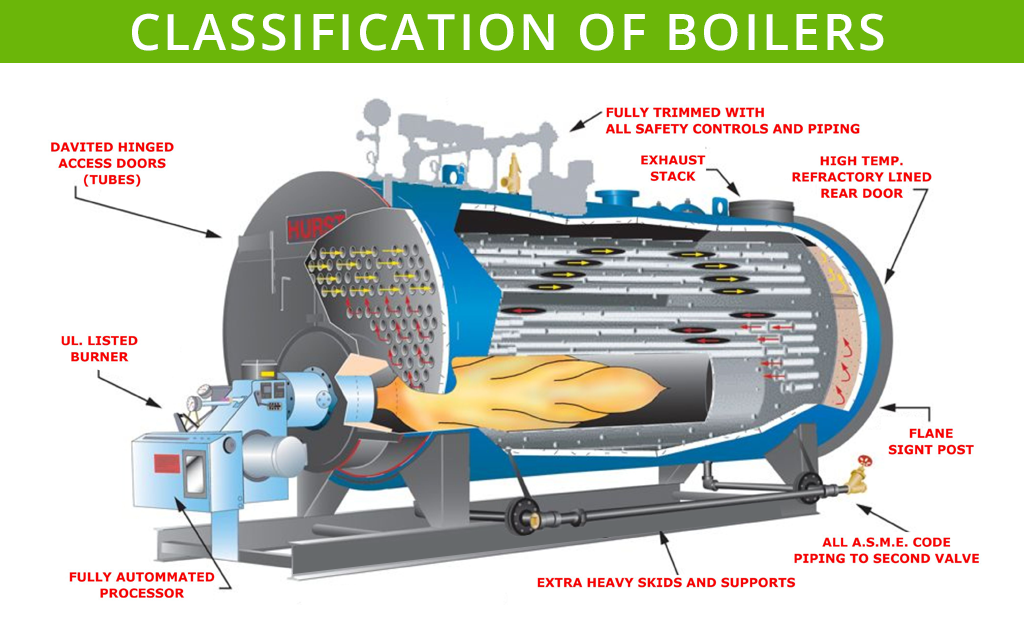
Boilers are essential pieces of equipment used in various industries for generating steam or hot water for various purposes. There are different types of boilers classified based on their design, fuel source, and operating principle. Forced circulation and induced circulation boilers are two such types of boilers that differ in their circulation mechanism.  In this blog, we will discuss the differences between a forced circulation boiler and an induced circulation boiler.   Forced Circulation Boiler: In a forced circulation boiler,  The circulation of water is achieved by using a pump to force the water through the boiler’s heat transfer surfaces. The pump ensures that there is a constant flow of water through the boiler, which helps to maintain a uniform temperature throughout the boiler for efficient boiler operation. Forced circulation boilers are typically used in high-pressure and high-temperature applications where a large amount of heat needs to be transferred. One of the primary advantages of forced circulation boilers is that they can generate steam quickly and efficiently. This is because the constant flow of water through the boiler helps to transfer heat rapidly, and the pump ensures that there is no stagnant water in the boiler. It is also necessary to have a deep knowledge of correct water temperatures so that the boiler could function properly. Maintaining the correct water temperature inside boiler is essential to prevent corrosion. Forced circulation boilers are also relatively compact and require less space compared to other types of boilers. The high flow rates of water required in these boilers make them more susceptible to erosion, corrosion, and scaling. This can lead to reduced efficiency, increased maintenance costs, and potentially, premature failure of the boiler. The use of a pump in forced circulation boilers can increase the power consumption and operating costs of the system. Induced Circulation Boiler: In an induced circulation boiler, the circulation of water is achieved by using a steam-driven or electrically driven pump to induce a flow of water through the boiler. The pump draws water from the boiler’s drum and forces it through the boiler’s heat transfer surfaces before returning it to the drum. The steam-driven pump is powered by the steam generated by the boiler, while the electrically driven pump is powered by an external power source. One of the primary advantages of induced circulation boilers is that they are more resistant to scaling, erosion, and corrosion compared to forced circulation boilers. This is because the flow rate of water in these boilers is relatively low, which helps to reduce the risk of these issues. Induced circulation boilers can operate at lower pressures and temperatures compared to forced circulation boilers, which can help to reduce the cost of the system. The use of a pump to induce the flow of water through the boiler can increase the risk of pump failure, which can lead to a loss of circulation and potentially, overheating of the boiler. The lower flow rates of water in these boilers mean that they may take longer to generate steam compared to forced circulation boilers. Conclusion: In summary, forced circulation and induced circulation boilers differ in their circulation mechanism. Forced circulation boilers use a pump to force water through the boiler’s heat transfer surfaces, while induced circulation boilers use a pump to induce a flow of water through the boiler. Each type of boiler has its advantages and disadvantages, overall, the choice between forced circulation boiler and induced circulation boiler depends on various factors such as the required flow rate, pressure, temperature, the risk of scaling, erosion, and corrosion, and the specific application’s requirements. Consultation with a professional engineer or boiler expert like Solarkaz International is recommended before choosing the right boiler for a particular application

Classification of Boilers Based on Circulation Mechanism Read More »

Importance of Maintaining the Correct Feed Water Temperature for Safe and Efficient Boiler Operation

Boilers are an essential component of any steam-based industrial system, as they provide the necessary heat to generate steam for various applications. Boiler feed water is an integral part of any steam boiler system, as it not only helps to produce steam but also plays a crucial role in maintaining the health and longevity of the boiler.  One of the critical aspects of maintaining feed water is keeping it at a specific temperature when it enters the boiler after flushing or cleaning. In this blog post, we’ll explore the reasons why maintaining the correct feed water temperature is essential and why it’s critical for the efficient and safe operation of the boiler. 1. Efficiency of the Boiler One of the most significant reasons why maintaining the correct feed water temperature is essential is because it affects the efficiency of the boiler. The temperature of the feed water can have a significant impact on how hard the boiler has to work to maintain its temperature. If the temperature of the feed water is too low, it can cause the boiler to work harder, which can lead to decreased efficiency and increased energy consumption.   For instance, let’s say the feed water temperature is 50°F, and the boiler requires 212°F steam to perform its task. In this scenario, the boiler would have to work harder to heat the water to its required temperature. However, if the feed water temperature is already 120°F, the boiler would not have to work as hard to heat the water to the required temperature, leading to increased efficiency. 2. Thermal Shock Prevention Another critical reason why maintaining the correct feed water temperature is essential is to prevent thermal shock to the boiler. Thermal shock occurs when there is a sudden change in temperature within the boiler, which can cause the metal to expand and contract rapidly. This can lead to stress on the metal, which can result in damage or failure of the boiler.   Maintaining the correct feed water temperature can help prevent thermal shock by ensuring that the temperature of the water entering the boiler is not too different from the temperature of the water already present in the boiler. This prevents sudden changes in temperature, which can lead to thermal shock 3. Corrosion Prevention Maintaining the correct feed water temperature is essential to prevent corrosion within the boiler. If the feed water temperature is too low, it can cause the metal to corrode more quickly, leading to leaks and other issues. Boiler inspections help prevent catastrophic failures by identifying and rectifying these types of issues. It is necessary for the boiler owner to have timely inspections of their boiler to ensure that it is functioning correctly and efficiently. Corrosion occurs due to the presence of dissolved oxygen in the feed water. When the water temperature is low, the oxygen in the water dissolves more readily, leading to increased corrosion. However, by maintaining the correct feed water temperature, the oxygen content of the water can be reduced, thus reducing the likelihood of corrosion. Conclusion In conclusion, maintaining the correct temperature of the feed water when it enters the boiler after flushing or cleaning is essential to ensure the efficient and safe operation of the boiler. It helps prevent thermal shock, corrosion, and maintains the efficiency of the boiler. Therefore, it is crucial to ensure that the temperature of the feed water is maintained at the appropriate level. Do you want to know more about Importance of Maintaining the Correct Feed Water Temperature? Contact us to know more about the controlling process of logistics. #solarkaz #solarkazinternational  #importanceofmaintainig   #Efficiency of the Boiler  #Thermal Shock Prevention #Corrosion Prevention

Importance of Maintaining the Correct Feed Water Temperature for Safe and Efficient Boiler Operation Read More »